Architectural Visualization Techniques: A Complete Guide for Modern Designers
#Architectural Visualization Techniques: A Complete Guide for Modern Designers
Architectural visualization techniques have evolved dramatically over the past few decades, transforming from hand-drawn sketches to photorealistic 3D renders and AI-powered generation. Whether you’re an architect, designer, or visualization specialist, understanding these techniques is essential for creating compelling presentations that communicate your design intent effectively.

#Understanding Architectural Visualization
Architectural visualization is the art and science of creating visual representations of architectural designs before they’re built. These visualizations serve multiple purposes: helping clients understand the design, securing approvals, marketing properties, and guiding construction teams. The best architectural visualization techniques combine technical accuracy with artistic expression to create compelling, informative images.
#Traditional Architectural Visualization Techniques
#Hand Drawing and Sketching
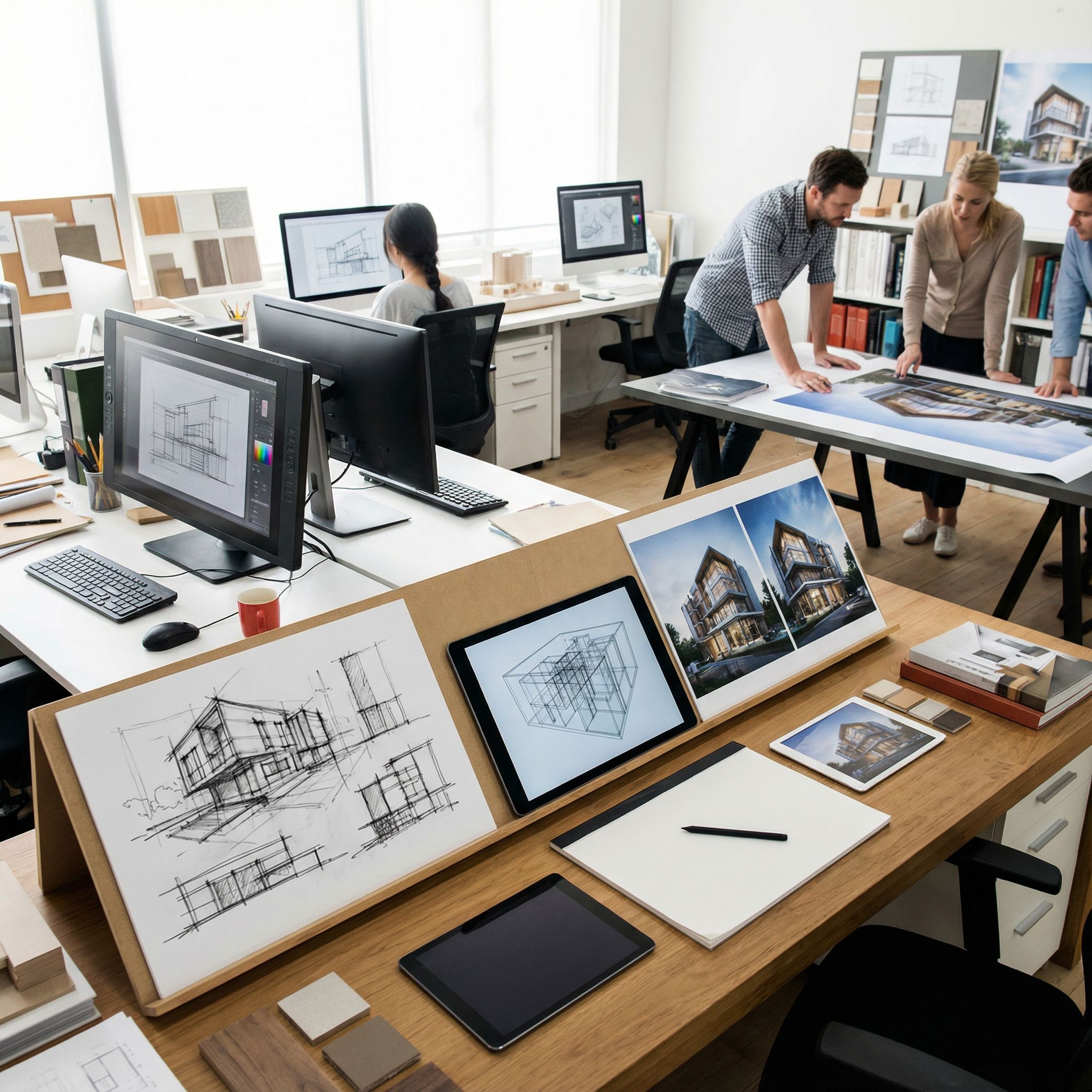
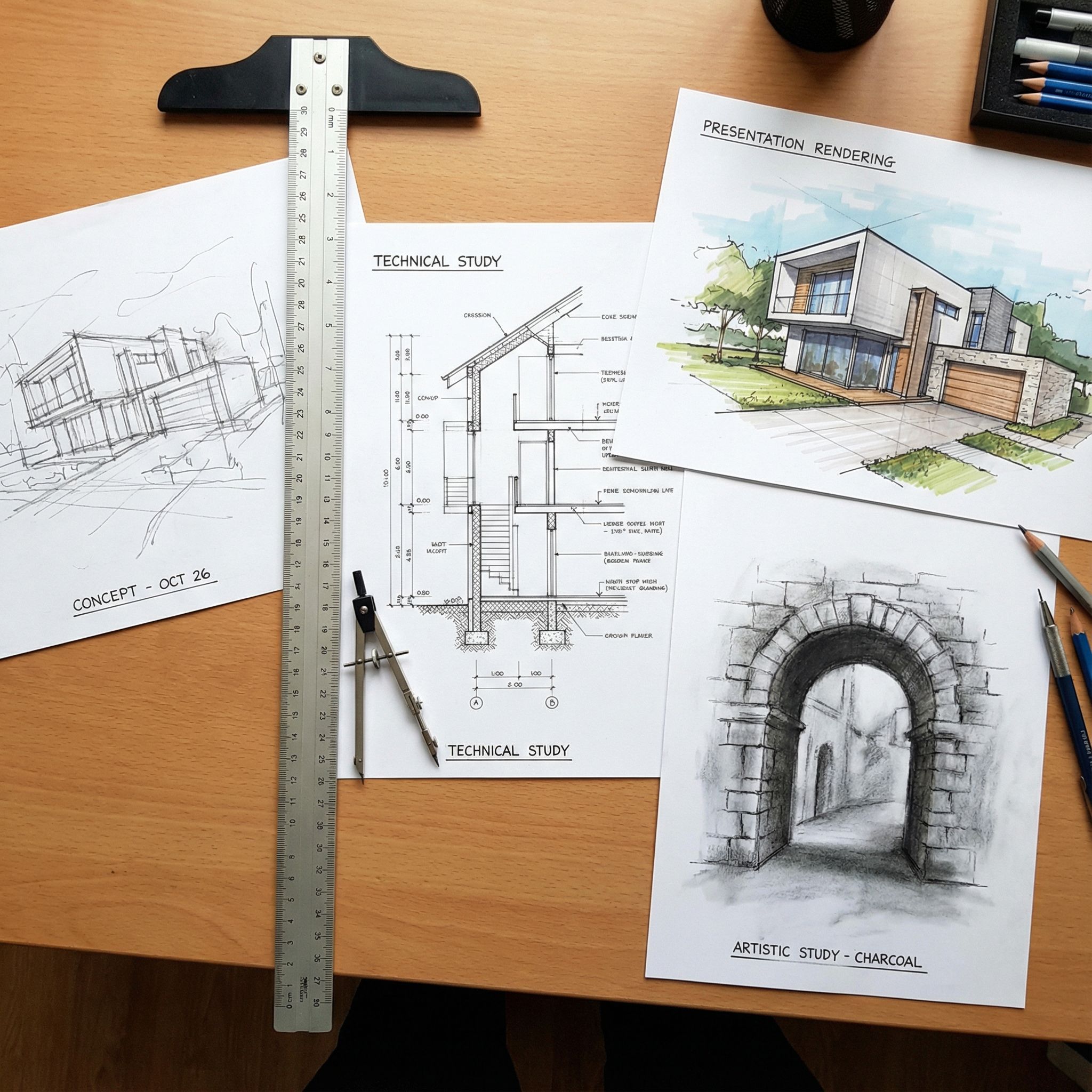
Before digital tools became mainstream, architects relied on hand drawing as the primary architectural visualization technique. This method remains valuable today for:
- Conceptual Design: Quick ideation and exploration
- Client Communication: Personal, artistic presentations
- Design Development: Working through spatial relationships
Hand sketches have a unique character that digital renders sometimes lack, making them ideal for early-stage presentations where the focus is on ideas rather than photorealistic accuracy.
#Physical Models
Physical architectural models have been a cornerstone of architectural visualization techniques for centuries. These tangible representations offer:
- Tactile Understanding: Clients can physically interact with the design
- Material Representation: Real materials show texture and color accurately
- Spatial Clarity: Three-dimensional understanding that 2D images can’t match
While physical models are time-consuming and expensive, they remain valuable for high-stakes presentations and competitions.
#Digital Architectural Visualization Techniques
#3D Modeling and Rendering
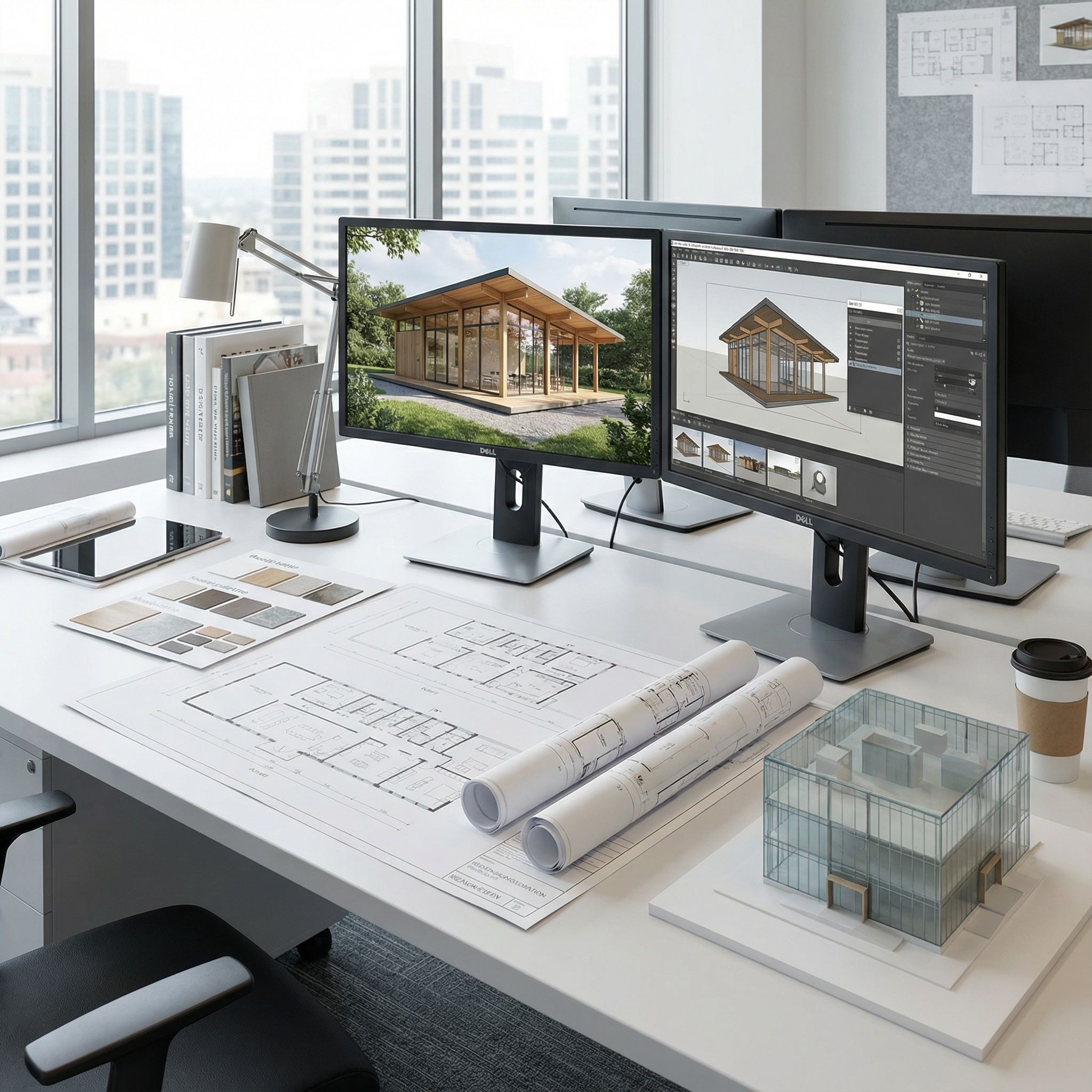
The advent of computer-aided design (CAD) revolutionized architectural visualization techniques. Modern 3D modeling software enables:
- Precise Geometry: Accurate representation of dimensions and relationships
- Material Simulation: Realistic textures, finishes, and material properties
- Lighting Analysis: Natural and artificial lighting studies
- Animation: Walkthroughs and flyovers of the design
Software like AutoCAD, SketchUp, Revit, and Rhino have become industry standards, each offering unique strengths for different aspects of architectural visualization.
#Photorealistic Rendering
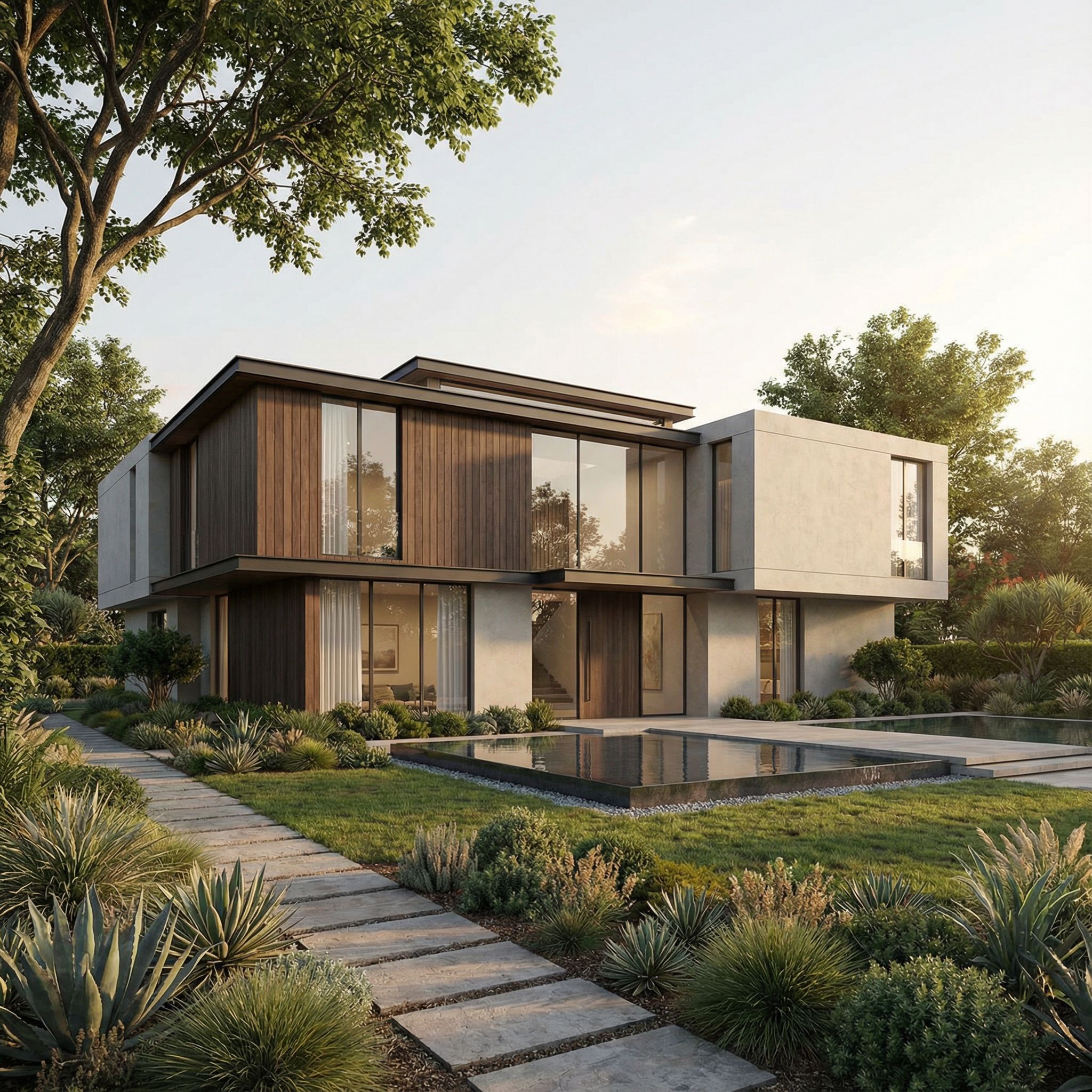
Photorealistic rendering represents the pinnacle of traditional digital architectural visualization techniques. This process involves:
- 3D Modeling: Creating accurate geometry
- Material Assignment: Applying realistic textures and properties
- Lighting Setup: Simulating natural and artificial light sources
- Rendering: Computing the final image using ray tracing or similar algorithms
- Post-Processing: Enhancing the image in software like Photoshop
Photorealistic renders can be indistinguishable from photographs, making them powerful tools for marketing and client presentations. However, they require significant time, computational resources, and expertise.
#Real-Time Visualization
Real-time architectural visualization techniques use game engines like Unreal Engine or Unity to create interactive experiences. These offer:
- Immediate Feedback: See changes instantly as you modify the design
- Virtual Reality: Immersive client experiences
- Interactive Walkthroughs: Clients can explore the space at their own pace
- Live Presentations: Dynamic presentations that respond to client questions
Real-time visualization is becoming increasingly important as clients expect more interactive and engaging presentations.
#Modern AI-Powered Architectural Visualization Techniques
#AI Image Generation
Artificial intelligence has introduced revolutionary new architectural visualization techniques. AI-powered tools can:
- Transform Sketches: Convert hand-drawn sketches into photorealistic renders
- Generate Variations: Quickly explore different design options
- Style Transfer: Apply different architectural styles to the same design
- Accelerate Workflow: Produce high-quality visualizations in seconds rather than hours
These AI-powered architectural visualization techniques democratize professional rendering, making high-quality visualization accessible to architects and designers at all levels.
#Machine Learning for Material Recognition
Advanced AI systems can analyze architectural drawings and automatically suggest appropriate materials, lighting, and rendering styles. This intelligent assistance streamlines the visualization workflow while maintaining creative control.
#Key Architectural Visualization Techniques by Project Phase
#Conceptual Design Phase
During early design development, architectural visualization techniques should prioritize speed and flexibility:
- Quick Sketches: Hand-drawn or digital sketches for rapid ideation
- Massing Models: Simple 3D forms to study scale and proportion
- Mood Boards: Visual references for style and atmosphere
- AI Sketch-to-Render: Transform rough concepts into more polished visualizations
#Design Development Phase
As the design becomes more defined, architectural visualization techniques should focus on accuracy and detail:
- Detailed 3D Models: Precise geometry with material assignments
- Multiple Viewpoints: Exterior, interior, and detail views
- Material Studies: Exploring different material options
- Lighting Studies: Analyzing natural light throughout the day
#Presentation Phase
For client presentations and marketing, architectural visualization techniques must prioritize impact and clarity:
- Photorealistic Renders: High-quality images that sell the vision
- Animation: Dynamic presentations that tell a story
- Virtual Reality: Immersive experiences for key stakeholders
- Print Materials: High-resolution images for brochures and portfolios
#Best Practices for Architectural Visualization Techniques
#Understand Your Audience
Different architectural visualization techniques work better for different audiences:
- Clients: Prefer photorealistic renders that show the final result
- Contractors: Need technical drawings and detailed views
- Planning Authorities: Require accurate representations of context and impact
- Marketing Teams: Want visually striking images that sell the concept
#Maintain Consistency
When using multiple architectural visualization techniques in a single project, maintain visual consistency:
- Color Palette: Use consistent colors across all visualizations
- Lighting: Similar lighting conditions create coherence
- Style: Match the rendering style to the project’s character
- Scale: Ensure accurate representation of size and proportion
#Balance Speed and Quality
Different architectural visualization techniques offer different trade-offs between speed and quality:
- Quick Sketches: Fast but less detailed
- 3D Models: Moderate speed, good quality
- Photorealistic Renders: Slow but highest quality
- AI Generation: Fast with high quality potential
Choose the technique that best matches your timeline and quality requirements.
#Tell a Story
The best architectural visualization techniques don’t just show a building—they tell a story:
- Context: Show how the building relates to its surroundings
- Lifestyle: Include people and activities to show how spaces will be used
- Atmosphere: Use lighting and materials to convey mood
- Sequence: Use multiple images to guide the viewer through the space
#Common Challenges in Architectural Visualization
#Time Constraints
Traditional architectural visualization techniques can be time-consuming. Modern solutions include:
- Template Libraries: Reusable materials and lighting setups
- AI Acceleration: Use AI tools to speed up rendering
- Batch Processing: Generate multiple views simultaneously
- Cloud Rendering: Offload computation to reduce local processing time
#Cost Management
High-quality architectural visualization techniques can be expensive. Consider:
- Credit-Based Systems: Pay only for what you use
- Hybrid Approaches: Combine quick AI renders with detailed traditional renders
- Prioritization: Invest in high-quality renders for key views only
- Efficiency: Streamline workflows to reduce redundant work
#Technical Complexity
Some architectural visualization techniques require significant technical expertise. Solutions include:
- User-Friendly Tools: Choose intuitive software when possible
- Training: Invest in learning the tools you use most
- AI Assistance: Let AI handle complex technical aspects
- Collaboration: Work with specialists when needed
#The Future of Architectural Visualization Techniques
#Real-Time Collaboration
Future architectural visualization techniques will enable real-time collaboration, allowing multiple stakeholders to view and interact with designs simultaneously, regardless of location.
#Enhanced AI Capabilities
AI will continue to improve, offering:
- Better Understanding: AI that understands architectural intent
- Automatic Optimization: AI that suggests improvements
- Style Learning: AI that learns your preferred visualization style
- Predictive Rendering: AI that anticipates what you want to see
#Integration with Building Information Modeling (BIM)
Architectural visualization techniques will become more integrated with BIM workflows, enabling automatic visualization updates as the design evolves.
#Choosing the Right Architectural Visualization Techniques
Selecting the appropriate architectural visualization techniques depends on several factors:
#Project Type
- Residential: Focus on lifestyle and atmosphere
- Commercial: Emphasize functionality and branding
- Institutional: Highlight public spaces and accessibility
- Industrial: Show efficiency and workflow
#Timeline
- Tight Deadlines: Use AI-powered or real-time techniques
- Flexible Schedule: Invest in photorealistic rendering
- Iterative Process: Combine quick sketches with detailed renders
#Budget
- Limited Budget: Leverage AI tools and templates
- Moderate Budget: Mix AI and traditional techniques
- Generous Budget: Full photorealistic rendering pipeline
#Client Expectations
- Visual Clients: Prioritize photorealistic renders
- Technical Clients: Include detailed technical drawings
- Marketing Focus: Create striking, shareable images
#Conclusion
Architectural visualization techniques have come a long way from hand-drawn sketches to AI-powered generation. The key to success is understanding when to use each technique and how to combine them effectively. Whether you’re using traditional photorealistic rendering or cutting-edge AI tools, the goal remains the same: create compelling visualizations that communicate your design vision clearly and effectively.
As technology continues to evolve, new architectural visualization techniques will emerge, but the fundamental principles of good visualization—clarity, accuracy, and storytelling—will remain constant. By mastering both traditional and modern techniques, you’ll be equipped to handle any visualization challenge that comes your way.
Ready to explore modern AI-powered architectural visualization techniques? Try Evermake and experience how AI can transform your architectural visualization workflow, turning sketches into stunning renders in seconds.