Architectural Shading Techniques: Mastering Light and Shadow in Design Visualization
#Architectural Shading Techniques: Mastering Light and Shadow in Design Visualization
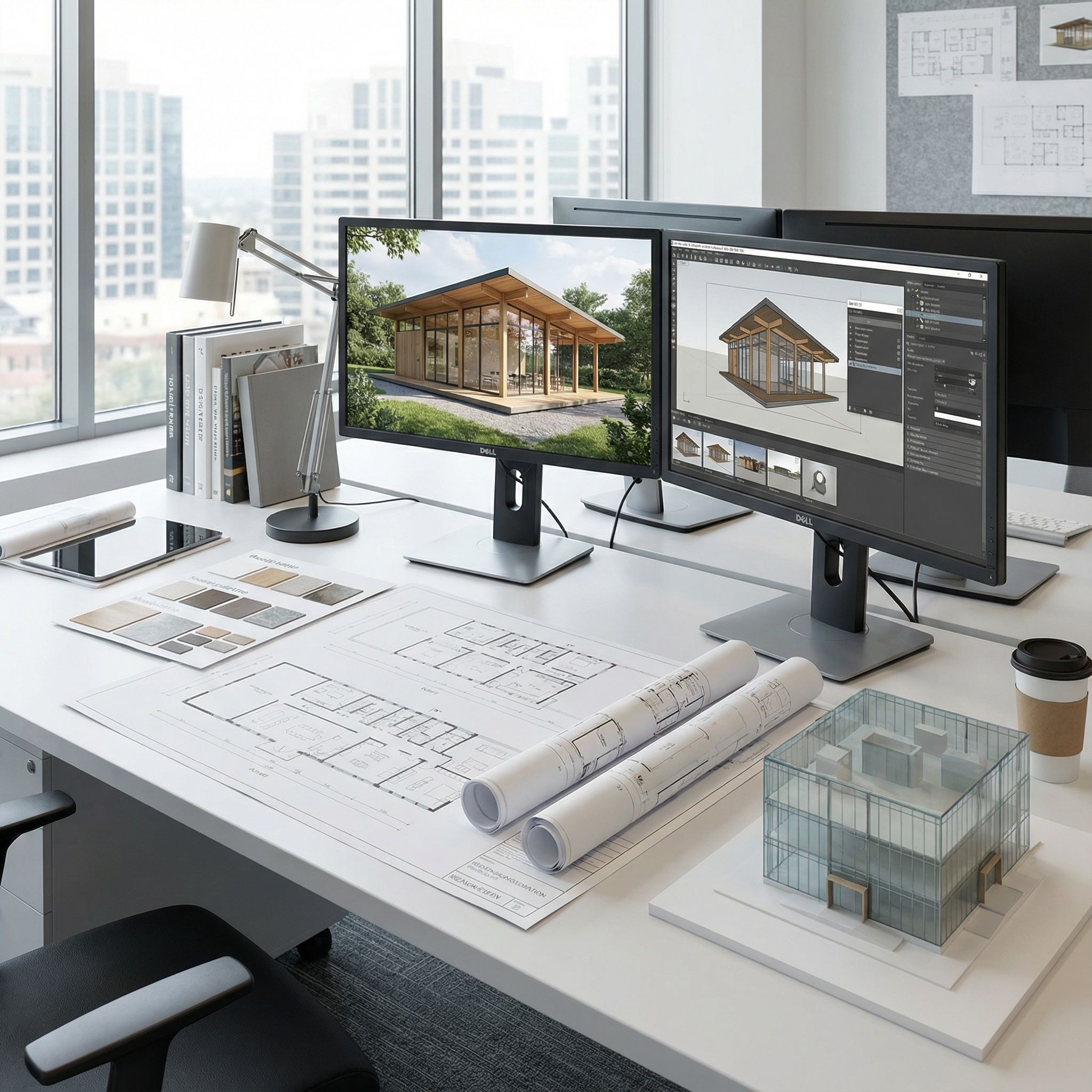
Architectural shading techniques are fundamental to creating realistic, compelling visualizations that effectively communicate design intent. Whether you’re working with traditional rendering methods or modern AI-powered tools, understanding how light interacts with architectural forms is essential for producing professional-quality presentations.
Shading goes beyond simple surface treatment—it’s a powerful tool that reveals form, depth, and materiality while guiding the viewer’s eye through your design. In this comprehensive guide, we’ll explore the core principles of architectural shading and how to apply them effectively in your visualization workflow.
#Understanding the Fundamentals of Architectural Shading
Architectural shading is the art and science of representing how light interacts with built forms. It involves understanding several key concepts:
#Light Sources and Their Characteristics
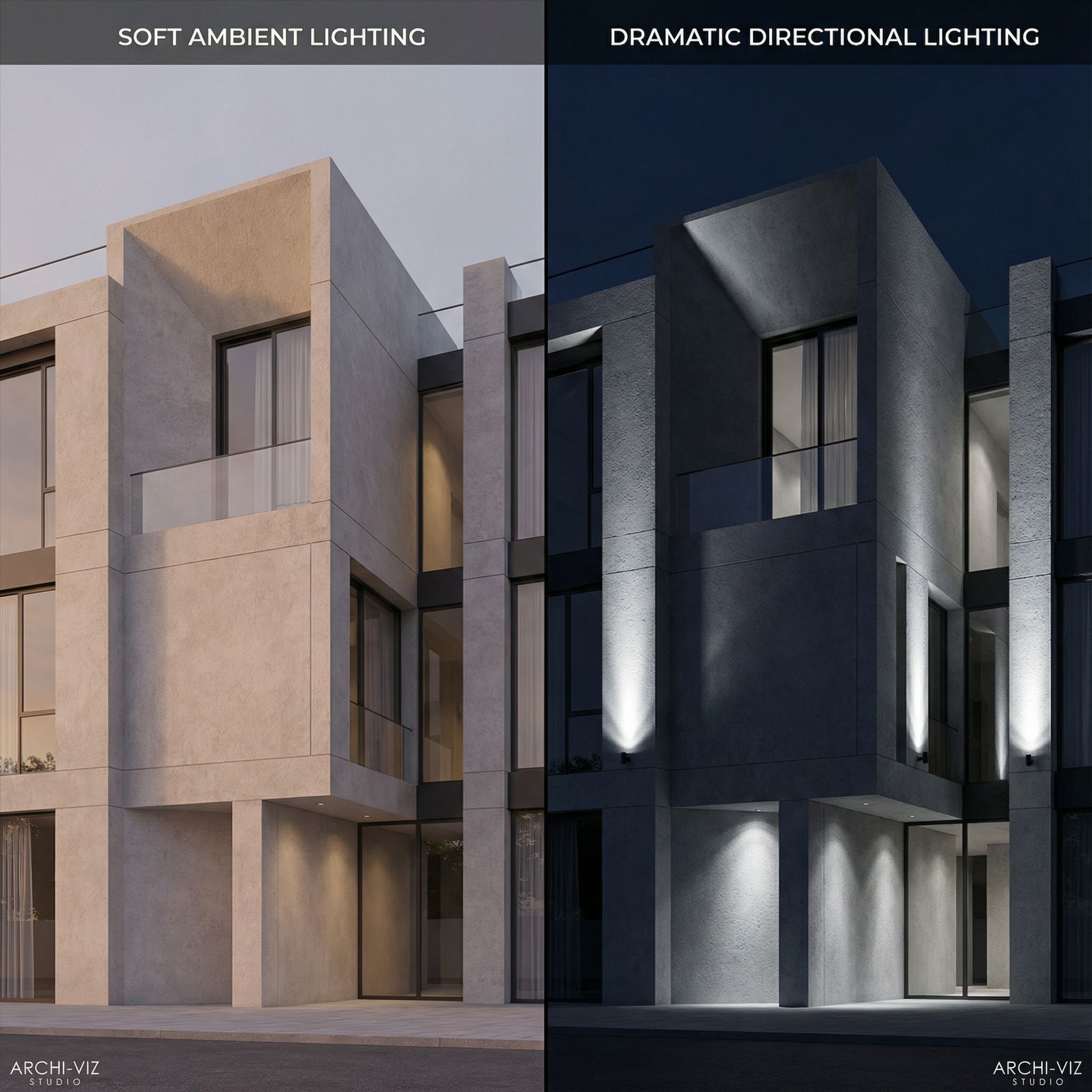
The type and position of light sources dramatically affect how architectural elements appear:
- Natural Light: Sunlight varies throughout the day, creating different moods and highlighting different aspects of a design
- Ambient Light: Diffuse lighting that fills shadows and provides overall illumination
- Directional Light: Strong, focused light that creates dramatic shadows and highlights
- Artificial Light: Interior and exterior lighting that can enhance or compete with natural light
#Shadow Types in Architecture
Understanding different shadow types helps you create more realistic visualizations:
- Cast Shadows: Dark shadows projected by objects onto surfaces
- Form Shadows: Shadows that define the shape of objects themselves
- Occlusion Shadows: Dark areas where surfaces meet or overlap
- Penumbra: The soft edge of shadows that creates gradual transitions
#Core Shading Techniques for Architectural Visualization
#1. Chiaroscuro: The Art of Light and Dark
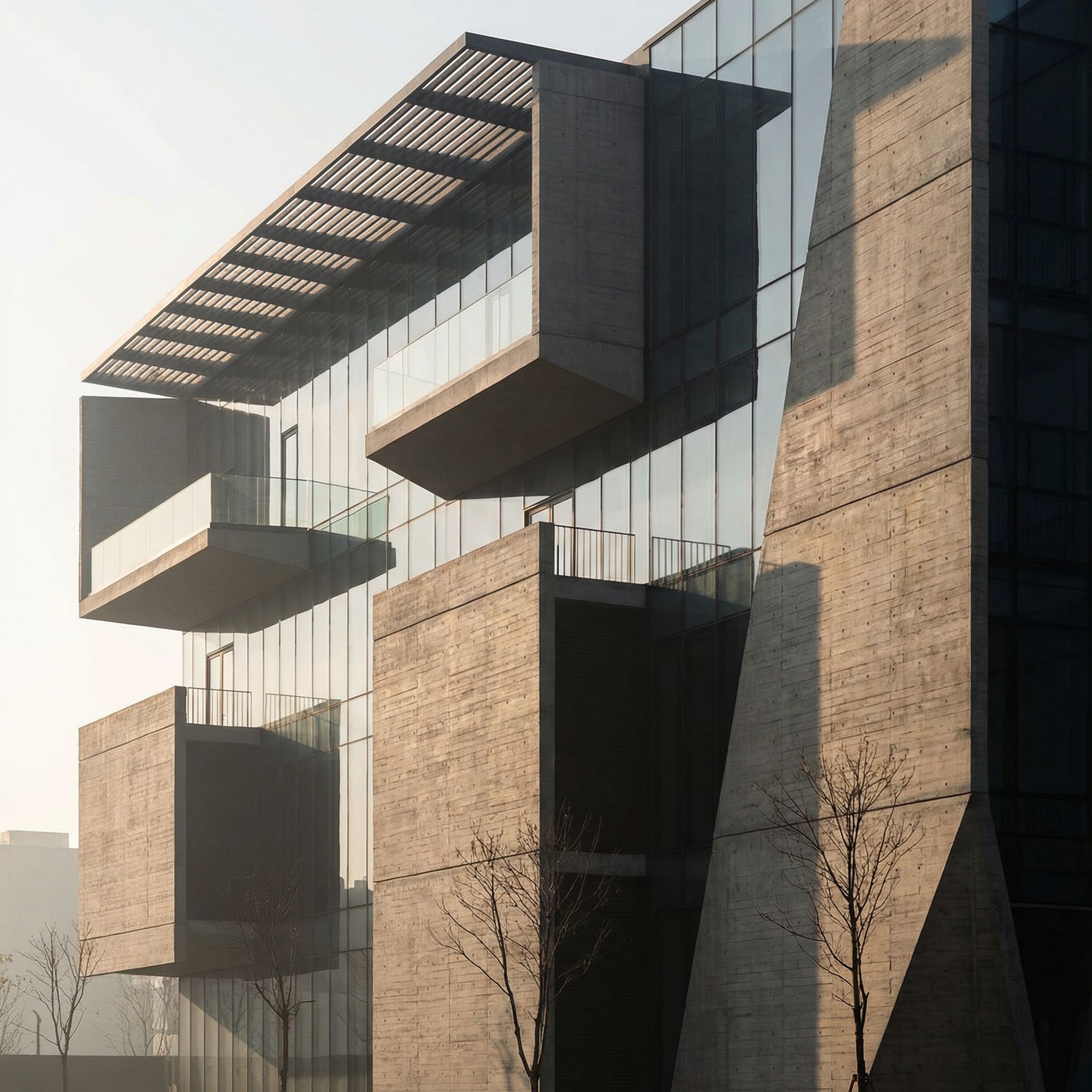
Chiaroscuro, borrowed from classical art, involves using strong contrasts between light and dark areas to create depth and drama. In architectural visualization:
- Use dramatic lighting to emphasize key design elements
- Create visual hierarchy by making important features brighter
- Use shadows to hide less important details and reduce visual clutter
#2. Ambient Occlusion
Ambient occlusion simulates how ambient light is blocked by nearby geometry, creating subtle darkening in corners and crevices:
- Enhances the perception of depth and form
- Makes architectural details more readable
- Adds realism to rendered images
#3. Global Illumination
Global illumination calculates how light bounces between surfaces, creating realistic lighting:
- Produces natural-looking indirect lighting
- Creates color bleeding between surfaces
- Generates soft, realistic shadows
#4. Material-Based Shading
Different materials respond to light differently:
- Glass: Transmits and refracts light, creating reflections and transparency
- Metal: Creates sharp reflections and highlights
- Concrete: Absorbs light, creating subtle variations
- Wood: Shows grain patterns and natural variations
#Practical Applications in Architectural Rendering
#Exterior Shading Strategies
For exterior visualizations, consider:
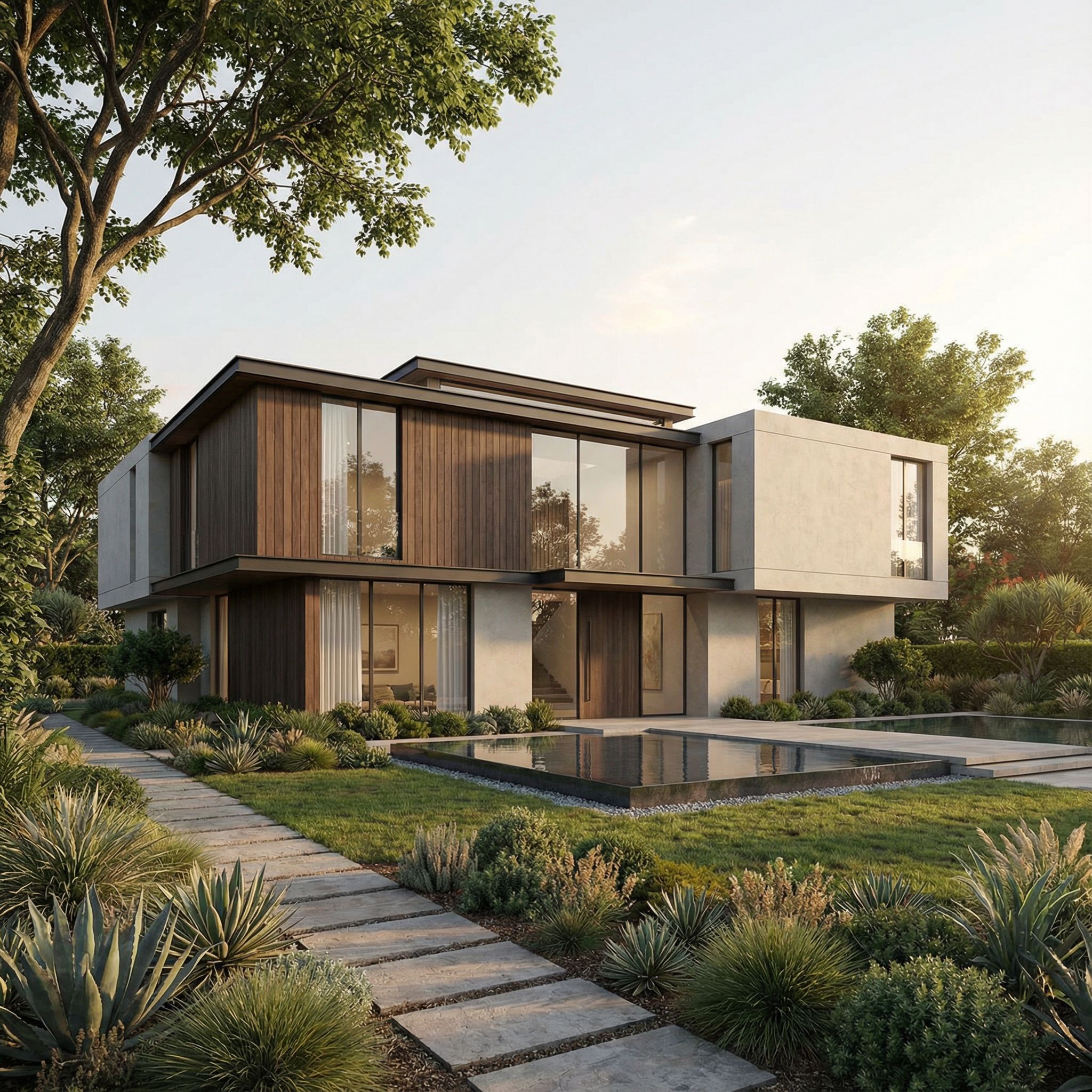
- Time of Day: Morning light creates long shadows and warm tones; midday provides even illumination; evening offers dramatic golden hour effects
- Weather Conditions: Overcast skies create soft, diffused lighting; clear skies produce sharp shadows
- Seasonal Variations: Sun angle changes throughout the year, affecting shadow patterns
#Interior Shading Techniques
Interior spaces require careful consideration of:
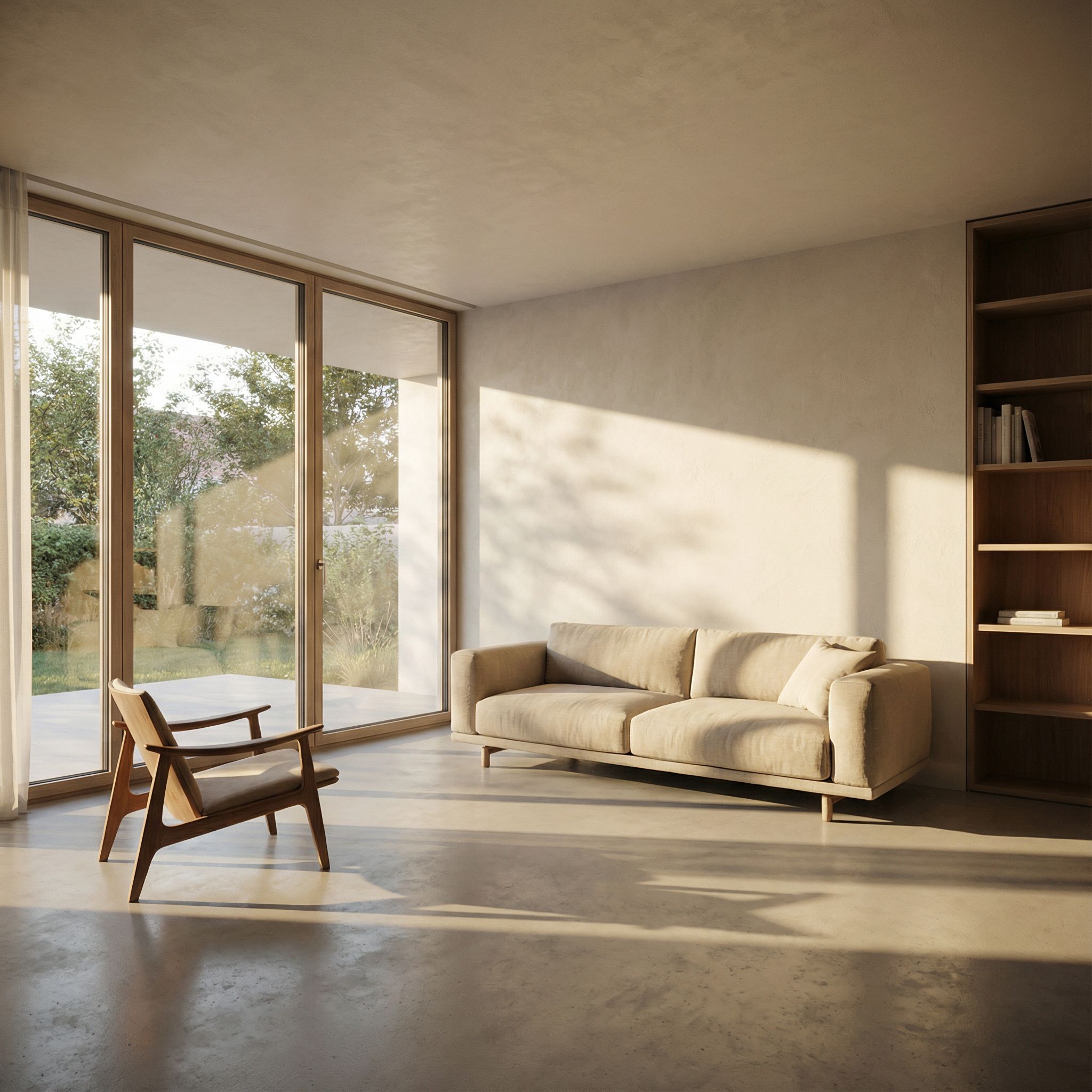
- Window Placement: Natural light entry points determine primary light sources
- Artificial Lighting: Balance between ambient and accent lighting
- Material Interactions: How surfaces reflect and absorb light affects overall illumination
#Advanced Shading Methods
#Ray Tracing
Ray tracing simulates the physical behavior of light, producing highly realistic results:
- Accurate reflections and refractions
- Physically correct shadows
- Realistic material appearance
#Image-Based Lighting (IBL)
IBL uses environment maps to light scenes:
- Captures real-world lighting conditions
- Creates natural-looking illumination
- Useful for matching existing environments
#Volumetric Shading
Volumetric techniques simulate light scattering through atmosphere:
- Creates realistic fog and haze effects
- Adds depth to exterior scenes
- Enhances mood and atmosphere
#Shading for Different Architectural Styles
#Modern Minimalist
- Clean, even lighting
- Minimal shadow detail
- Emphasis on form and line
#Traditional/Classical
- Dramatic chiaroscuro
- Deep shadows in ornamentation
- Strong directional lighting
#Contemporary
- Mixed lighting sources
- Dynamic shadow patterns
- Emphasis on materiality
#Common Shading Mistakes to Avoid
- Over-lighting: Too much light eliminates shadows and reduces depth perception
- Unrealistic Shadows: Shadows that don’t match light sources break immersion
- Ignoring Material Properties: All materials shouldn’t respond to light identically
- Poor Shadow Quality: Hard, pixelated shadows look unprofessional
- Lack of Contrast: Insufficient contrast between light and dark areas reduces visual impact
#Tools and Workflows
Modern architectural visualization tools offer various shading capabilities:
- 3D Modeling Software: Built-in lighting and rendering engines
- AI-Powered Rendering: Intelligent shading based on learned patterns
- Post-Processing: Fine-tuning shadows and lighting in image editing software
#Best Practices for Architectural Shading
- Study Real-World Lighting: Observe how light behaves in actual architectural spaces
- Use Reference Images: Collect examples of effective shading in architectural photography
- Iterate and Refine: Shading often requires multiple passes to achieve desired results
- Consider Context: Match shading style to project type and client expectations
- Balance Realism and Clarity: Sometimes slightly exaggerated shading improves communication
#Conclusion
Mastering architectural shading techniques transforms good visualizations into exceptional ones. By understanding how light interacts with form, material, and space, you can create compelling presentations that effectively communicate your design vision.
Whether you’re working with traditional rendering pipelines or exploring AI-powered visualization tools, these shading principles remain fundamental. The key is to practice, experiment, and develop an eye for how light and shadow enhance architectural storytelling.
Remember: great architectural shading doesn’t just make images look realistic—it guides viewers through your design, highlights important features, and creates emotional connections that make your presentations memorable and persuasive.
#Ready to Apply These Shading Techniques?
Put these architectural shading techniques into practice with Evermake. Our platform helps you create stunning visualizations with realistic lighting and shadows. Start creating professional renders →
Related Posts